AI-powered WordPress plugins in 2026 are completely transforming how websites are developed, maintained, and optimized. With WordPress accounting for over 43% of all websites on the internet, adding an element of AI to it is perhaps one of the biggest technology transitions in the history of web development.
The transformation happened remarkably fast. Recent industry stats reveal that more than 315 million hits were made by AI-powered WordPress plugins within a period of the year. What started as rudimentary chatbots and simple content recommendations has matured into complex systems that are able to manage entire websites on their own and predictively analyze and optimize in real time.
The AI-powered WordPress plugins of today utilize cutting-edge machine learning models, natural language processing, and computer vision to tackle jobs that used to take hours of manual labor or specialized knowledge. This is not only convenient, but it’s a democratization of web development itself and a way to enable those professionals to work smarter.
The WordPress community in 2026 is a mature one for combining with AI. Unlike the trial phase of 2023-2024, WordPress plugins with AI capabilities that you can use today are stable and reliable and increasingly core to how they function.
Market Adoption and Explosive Growth
As of now, the latest numbers are showing that more than 60% of WordPress sites are using an AI plugin, which is an absolute increase compared to only 15% by early 2024. This is a 300% adoption rate in two years. The average monthly traffic of the WordPress AI plugins’ market size was 26.25 million during the period (2024-2025).
The market price of AI plugin development has skyrocketed. Big WordPress players like Automattic, WooCommerce, or the biggest plugin developers have whole AI-dedicated research teams, so we see more and more powerful tools. Good professional developers code only up to 40-60% faster when they use the AI WordPress plugin for common development tasks.
Integration with Major AI Platforms
Nowadays, WordPress plugins driven by AI are using these new engines per API provided by leading artificial intelligence providers such as GPT-4 from OpenAI, Gemini from Google, and Claude from Anthropic, and open-source solutions like Llama models. The favored plugins, AI Engine and AI Power, have cross-platform backing for redundancy, cost-efficiency, and failover.
Real integration goes beyond a mere API call. In the present day, such plugins are driven by intelligent caching, request optimizations, and hybrid processing, uniting cloud-based AI with local processing. Advanced plugins can handle up to 70% of the workload locally, invoking cloud services for only complex operations, thus potentially saving up to 30% in operational costs.
Google offers an excellent beginner-friendly guide to understanding machine learning and natural language processing: https://ai.google/education/
Regulatory Compliance and Data Privacy
As AI grows, more attention is being paid to data privacy. AI-based WordPress plugins for 2026 will be built with GDPR, CCPA, and the future AI-specific regulations in mind. The majority of top plugins provide on-site processing capabilities, transparent data policies, and managed consent from users.
This emphasis on privacy has expedited adoption, with businesses now able to be confident in the deployment of AI tools that respect user data and comply with international regulations.
7 Key Categories of AI-Powered WordPress Plugins
Content is still king when it comes to your web presence and AI. WordPress plugins have definitely shaken things up in terms of creating high-quality content. The modern-age plugins, like GetGenie and Bertha AI—and there would be an ocean full of them—get your context, brand voice, and audience demographics well beyond a vanilla text generation.
Intelligent Content Generation Capabilities
AI-driven WordPress plugins today take a look at all the content on your site and learn the unique voice and style you use so they can match that in new content. These are tools that research your topic, fact-check claims against previously available sources of information, suggest related internal links, and recommend how to structure your content for readability—and SEO effectiveness.
Today’s AI-powered WordPress plugins analyze existing site content to learn unique voice and style, then replicate it across new content. These tools research topics, verify facts against current information sources, suggest relevant internal links, and optimize content structure for both readability and SEO performance.
According to industry research, 44% of businesses plan to use AI for content creation in 2025, with 79% expecting improved content quality. Websites using AI-powered WordPress plugins for content production generate 3-5 times more material than comparable sites relying solely on human writers.
Real-Time Content Enhancement
AI-backed WordPress plugins are providing live writing help from within the WordPress editor. While users write, the AI offers tips to enhance sentence construction, word selection, and flow. This instant feedback has resulted in a significant increase in content quality on millions of WordPress websites.
Multilingual Content Management
AI translations have become more or less human quality in 2026. By context, we mean inspiration across paragraphs, retained formatting and HTML structure, and cultural adaptation (and not translation) of content. Now, many plugins can transcribe more than 100 languages accurately.
WordPress plugins using AI have changed the way design used to be, from a manual and time-consuming process into an automated, smart method.
Automated Design Systems
Design plugins such as Elementor AI and Divi AI automatically create whole websites from short descriptions or industry categories. Users tell the AI about their business, target audience, and design needs. The AI produces responsive, accessible, and stylish designs in minutes.
And the coolest part is that these plugins optimized with AI keep on constantly improving based on your user behavior. They A/B test design changes out of the box, add elements that work, and gradually optimize sites for higher conversion rates and engagement.
Image and Media Optimization
Computer vision has changed the game for how WordPress deals with images and media. WordPress plugins with AI cropping images to manually set a focal point, compressing without any visible quality loss, providing correct alt text for accessibility, and generating several responsive image versions.
Customized content provided by AI, for example, raises conversions 10% or more, says SEO data. You get the same treatment for your video content: plugins to make thumbnails super clickable or create captions automatically for accessibility.
3. Advanced Security and Performance
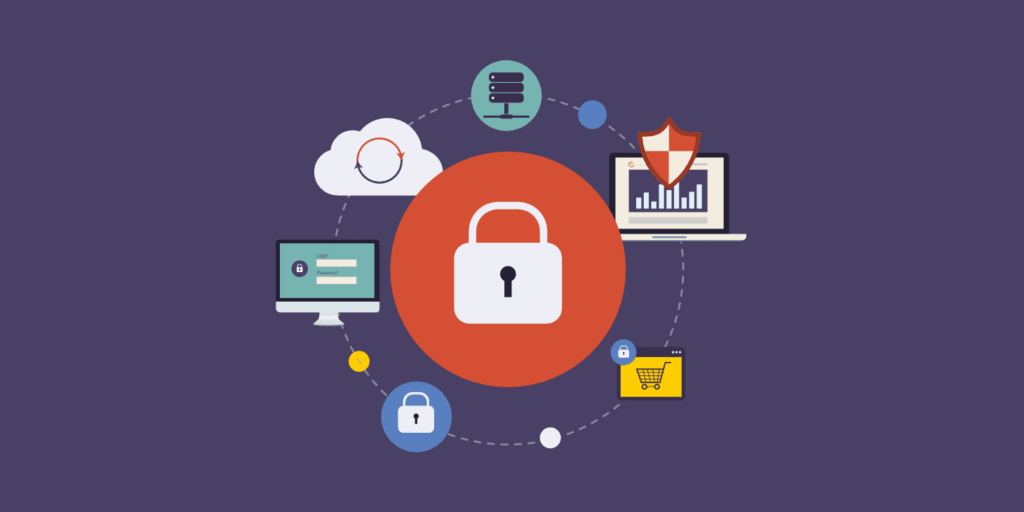
WordPress security has sharpened while improving the site performance thanks to AI-driven WordPress plugins.
Intelligent Threat Detection
Security plugins such as Quttera Web Malware Scanner or Wordfence apply AI to constantly monitor websites, detecting threats through pattern matching and anomaly detection. These were AI-driven WordPress plugins, and they identify new attack vectors beyond what are supported by the regular security tools of traditional developers; they can learn to adapt in real time to growing threats without relying solely on regular updates.
Websites protected by AI-based WordPress security plugins incur 85% fewer successful attacks than those with traditional security. Yet when breaches happen, it’s easy to discover and respond; detection alerts come in at less than 5 minutes rather than the hours or days that manual security monitoring would take.
4. E-commerce and Advanced Personalization
E-commerce has seen one of the steepest revolutionary shifts, thanks to AI-driven WordPress plugins.
Dynamic Pricing and Inventory Management
E-commerce AI WordPress plugins process the competitive landscape, stocks of goods, and demand for these products in an effort to optimize product prices instantly. They apply complex price schemes that maximize revenues and keep them competitive.
Online shops using extensive AI plugin bundles see an average increase in conversion rates of 25 to 40 percent. By using intelligent reminder systems and targeted incentives, cart abandonment rates drop substantially.
Customer Service Automation
AI WordPress plugins for customer service are far more sophisticated than mere rote replies. Tools such as LiveChat, whose assistance has been given 75 million times in just one year, know context, store conversation history, and offer genuinely helpful aid.
As per industry research, 91% of customers would like to engage with a chatbot for an ideal experience. For in-store businesses using AI chatbots and automated support systems, they have seen between a 30% and 50% decline in customer service costs.
Product Recommendations
Smart recommendation engines created by the AI-powered WordPress plugins apply the most advanced algorithms to recommend products according to browsing history, order frequency, and similarity with other customers. Such systems result in much higher average order values and very satisfied customers!
5. SEO and Marketing Automation
WordPress plugins using AI have changed SEO from being a manual, time-consuming slog into an automated, always-improving task.
Intelligent SEO Optimization
Nowadays, newer SEO plugins such as Rank Math and WordLift can look into search trends, competitor tactics, and algorithm changes to offer real-time optimization suggestions. These are the AI-powered WordPress plugins that automatically help to optimize meta descriptions and give internal linking recommendations and content gap (ranking opportunities) suggestions.
Websites that are running AI-powered WordPress plugins for SEO experience organic search traffic growth of 35-60% in six months post-launch. The amount of time businesses should spend on SEO work is cut down by around 70 percent, freeing up resources for content creation and more growth.
Automated Marketing Campaigns
AI-powered WordPress plugins for marketing launch, running, and improving email promotions, social media posts, and ad campaigns without the aid of a human being. They optimize send times, personalize messaging by audience segment, and automatically adapt campaigns based on how they’re performing.
6. AI-Assisted Development and Coding
Artificial intelligence (AI)-based WordPress plugins are changing the way people write code and build custom software solutions.
Tools like AI Engine allow developers to describe the needed functionality and let AI produce preliminary implementations. This doesn’t get rid of the need for developer skills—it just changes the battle from syntax and boilerplate code to architecture, logic, and optimization.
Development teams are stating that custom plugin development now takes hours—not days—with AI writing up boilerplate code, implementing standard features, and instilling security best practices.
7. Analytics and Predictive Intelligence
More recently, innovative WordPress plugins are becoming available with AI capabilities that can predict customer behavior, identify market trends, and even detect potential technical issues before they become catastrophic.
These systems are designed to analyze trends from historical data to predict traffic volumes, content performance, and optimization opportunities. Entrepreneurs can take data-informed decisions with the help of AI-driven insights and recommendations.
How AI Plugins Are Transforming Developer Workflows
Introducing AI-powered WordPress plugins has redefined how developers view their work, not just from a time-saving perspective, but also by taking a whole new approach to development.
From Manual to AI-Assistive Coding
The WordPress of 2026 has developers who collaborate with AI-driven plugins for WordPress. Instead of manually coding every line, developers describe what they need done, and AI plugins produce preliminary code. Recent studies have shown that AI assistants help developers complete tasks 40-60% faster in doing routine coding work.
AI code assistants know coding standards in WordPress, security best practices, and what you can do to make your website faster. They recommend feedback on the existing code, point out possible security issues, and also refactor old code for easier maintenance.
Automated Testing and Quality Assurance
These days, AI-powered WordPress plugins are even taking care of a lot of the testing work. They can generate test cases automatically, perform testing after updates, and calculate edge cases that human testers might forget. Visual regression testing also helps prevent breaking the layout across different devices whenever you make changes to your design.
These automated testing systems are integrated into continuous integration pipelines, guaranteeing that changes to the codebase do not cause bugs or introduce failures of existing features. They generate detailed reports about the test coverage and show which parts of your code might need additional testing.
Smart Debugging and Problem Resolution
AI-powered WordPress plugins for debugging study error logs trace how functions are executed and detect root causes in minutes. They compare your current code to what was working, search for the differences, and point out recent changes that might be causing problems.
These kinds of common issues have cut the debugging time by as much as 80%. In more complex issues, AI assistants seek out documentation, forum threads, and code libraries to find similar cases and solutions.
Real-World Impact: 2026 Statistics and Performance
The change AI-powered WordPress plugins bring is noticeable everywhere, in the WordPress system too.
Development Efficiency Gains
Professional WordPress developers are saving an average of 40-60% of their time in development. It’s to say that website launches that used to be a 2-4 week project can now be done in days, as WordPress plugins that use AI manage the content population, design setup, and initial optimization.
Developer job postings went up 23% worldwide between 2024 and 2025, while AI roles increased by 152%, according to figures from the World Employment Network. It found that companies such as Netflix saw their AI-empowered developers deliver 34% more features in 2025 and had to hire an extra 67 engineers to account for expanded project scope.
Content Production Metrics
Websites deploying AI-powered WordPress plugins for content generate 3-5 times more content than comparable sites that employ human writers alone. Studies have found that 44% of companies plan to implement AI in content creation, and 79% anticipate better quality of content.
User engagement metrics such as time on page, bounce rate, and social shares are either identical to or better than human-written content, indicating quality hasn’t been sacrificed in the rush to produce truckloads of copy.
E-commerce Performance Improvements
E-commerce sites with full AI-powered WordPress plugins suites are seeing 25-40% average rates of increase in conversions. Abandonment rates of the cart have been reduced dramatically by AI reminder systems and tailored offers.
AOVs grow with more accurate product recommendations and dynamic bundling. Customer service expenses go down 30-50%; meanwhile, the customer satisfaction scores are maintained or increase.
SEO and Traffic Growth
Sites with AI-powered WordPress plugins for SEO increase in organic search traffic of around 35-60% after six months of usage. And that’s growth from more complete keyword coverage, deeper content improvement, and faster response to algorithm updates.
The amount of time to spend on SEO work has been slashed by around 70%, meaning that time can be spent on creating content and driving growth as opposed to manual improvements.
Sites utilizing AI-powered WordPress plugins for security see 85% fewer successful hacks than those using traditional forms of protection. False positives—legit hardened users locked out by security systems—have dropped by 60%.
Average detection and reaction times are less than 5 minutes, versus hours or days with manual monitoring, thus minimizing potential fallout from security breaches.
Technical Architecture Behind AI Plugins
Knowing how AI-powered WordPress plugins function can help you understand what they are capable of doing and what they cannot do at this time.
Cloud vs. Local Processing Architecture
The latest AI-powered WordPress plugins have implemented mixed architectures that do both cloud processing and local execution. Trivial tasks like grammar checking or basic content suggestions are run directly in the browser or on the WordPress server—without making any additional API requests for help.
Heavy operations like the generation of full content or stitching images are executed with cloud APIs, using state-of-the-art machine learning models. This hybrid approach allows faster performance and lower costs and makes it possible for things to work even when internet access is relatively poor.
Model Integration and API Management
The number 1 AI-powered WordPress plugins are not based on only one AI provider. They also use several models, choosing the best for different tasks. There may be one model that is better suited for creative writing using word diversity, whereas technical documentation uses a different one optimized for factual and accurate language.
API management platforms cover authentication, rate limiting, error handling, and failover across providers. In case of outage or erratic behavior, calls are automatically sent to alternative providers, guaranteeing an uninterrupted service.
Data Privacy and Processing Standards
Privacy First AI-powered WordPress plugins do on-device processing wherever practical. The sensitive data stays on the user’s server; only a minimum amount of information is sent to AI services. Some plugins have a full offline mode for organizations with very strict data needs.
When cloud processing is required, best-in-class plugins will anonymize the data and remove personally identifiable information, as well as encrypt data in transit and at rest. Users have control over what information is shared with AI services, and shared permission settings are provided.
Implementation Challenges and Solutions
While there is amazing momentum, there are a number of issues that both users and developers of AI-powered WordPress plugins must wrestle with.
Cost Considerations
AI-powered WordPress plugins aren’t free. I emphasize “easy” because most are based on a subscription model or per-API call and lead to recurring costs for website owners. These costs can be hefty for high-traffic sites or platforms that use AI frequently.
The cost picture is changing as AI gets cheaper and the competition for services heats up. But cost is still a major consideration in AI, especially for small businesses and individuals creating bots.
Quality Control and Oversight Requirements
AI-made decisions and content should have the human touch. Even though AI-driven WordPress plugins are now so powerful and AI-based, they still err, take things out of context, or create content that is not appropriate. Website operators must implement review processes, especially for public-facing content and important business decisions.
The question then is whether the gains in efficiency come at a cost of quality. They require workflows that leverage AI speed while incorporating the required human judgment and review.
Technical Complexity Management
Even though most interfaces are user-friendly, technically setting up and managing WordPress plugins for AI involves some level of expertise. The myriad of configuration combinations available can be bewildering, and there is no “best” setting; it very much depends on the use case, the type and nature of the content, and the audience for the content.
Developers are working on this, with more sophisticated onboarding, intelligent defaults, and setup wizards to make sure everyone gets started on the ”right foot.” That said, there is a learning curve, as the systems are complex.
Dependency and Vendor Lock-in
As web properties increasingly rely on AI-powered WordPress plugins, issues of vendor lock-in and service reliability become more severe. Should an AI service shut down or otherwise dramatically move its pricing, websites built on top of it are in trouble.
The more forward-thinking developers mitigate this risk by selecting plugins with multi-provider abilities, keeping export capabilities for AI-generated content, and ensuring that the core functionality of their website does not have to rely exclusively on AI services.
Ethical Considerations
AI-powered WordPress plugins pose ethical challenges in the authenticity of content, job displacement, and algorithmic bias. Website owners would need to consider whether they want to share information about AI involvement in creating content, how to uphold editorial standards with AI-generated material, and whether AI systems could inadvertently discriminate.
These concerns are feeding the development of ethical AI frameworks, with the WordPress community being at the forefront by focusing on using transparency features, bias detection, and ethical guidelines for AI use.
Future Predictions for WordPress AI Development
The trend of how AI has evolved is already pointing to a number of changes we will continue to see in AI-driven WordPress plugins.
Autonomous Website Management
The next step is the autonomous website operation. The WordPress plugins that will be AI-powered will do more than just remediation; they’ll take the strategic steps about content planning, design evolution, and feature enablement. Sites will be self-managing organisms that can evolve in real time, based on user behavior, market conditions, and business priorities.
This doesn’t obviate the requirement for human oversight, but it moves that requirement from day-to-day management to strategic direction and establishing targets. Company owners will tell it what they want their website to do, and AI will take care of how to make that happen.
Advanced Natural Language Interfaces
Content management will become more conversational in natural language. Instead of clicking through admin panels and configuration screens, users will explain what they want. WordPress plugins based on AI will decode such signals and bring changes.
This natural language method will open the door to users with absolutely no technical knowledge at all, meaning WordPress can be for practically anyone, and web development can become so much simpler.
Predictive Analytics and Proactive Optimization
AI-powered WordPress plugins are going to transform from being reactive in nature to becoming predictive, i.e., they will predict issues before they happen and take preventive steps. They’re going to forecast traffic spikes, point out trending content before it trends (even if they won’t be able to explain how it confronts the human condition), and optimize websites for nascent search trends ahead of nimbler competitors.
This first-mover advantage will provide websites that use predictive AI to their fullest potential a substantial competitive edge, accelerating the need for adoption of these technologies.
Best Practices for Implementing AI Plugins
Adding AI-powered WordPress plugins is possible, but probably not advised unless income is the only concern.
Start with Clear Objectives
Make sure that you have clear goals and success metrics before implementing AI WordPress plugins. Do you need to cut down content production time and increase conversion rate, tighten up your security, or just something else? User-friendliness is the clear objective for plugin selection and configuration.
Implement Gradually
Instead of revamping your whole website with AI, you could gradually add AI-powered WordPress plugins one by one. You can start with one, say content creation or security, and dominate that before moving onto other functions.
This iterative method enables you to start learning how AI operates within your own environment and prevents you from swamping your team or budget. It also enhances the ability to track the measures of each plugin and prove their value; hence, it explains any further investment.
Maintain Human Oversight
AI-powered WordPress plugins should enable people, not replace them completely. Establish review processes for AI content, track automated decisions, and continually monitor AI systems’ performance.
Human judgment is still in high demand, especially when it comes to brand voice, ethical considerations, and strategic decisions. The arrangements that have worked best are those that marry the efficiency of AI with human creativity and oversight.
Prioritize Privacy and Security
Opt for AI-powered WordPress plugins from trusted developers who offer clear privacy policies and have strong security practices in place. Know what data each extension is collecting and what it’s doing with the data.
For sensitive data, use local processing where applicable and make sure all AI systems are in compliance with the appropriate regulations of your area. Responsible data management is key to user trust.
Monitor Performance and Costs
Monitor the pros and cons of setting up AI-powered WordPress plugins. Track website performance to make sure that AI plugins aren’t taking away from the user experience. Monitor API usage and costs to avoid overspending.
Make continued assessments of whether AI tools are adding enough value to justify the cost. If a plugin’s not giving a tangible return, don’t be scared to can it and try something else.
Stay Informed and Adapt
AI technology evolves rapidly. Always be in the know of new features, plugin updates and best practices. Be ready to adapt your AI strategy as new tools emerge, and existing ones mature.
Join WordPress AI groups and learn from others experience. Industry sources offer valuable research and statistics to inform your decisions.
Train Your Team
Invest in training for staff who will interface with AI-powered WordPress plugins. It’s worth noting that knowing how to set up, use, and tweak AI plugins is what makes the value of those tools.
The training can be lighter, but some basic understanding of AI basics and plugin usage is required. Most popular plugins come with documentation, video tutorials, and support.
Document Your AI Strategy
Keep a list of what AI-powered WordPress plugins you’ve installed, how they work, and why you choose certain features. This documentation becomes extremely helpful when you are trying to fix any issues, train new team members, or even decide whether or not to continue working with a specific tool.
Capture document workflows with AI automation and human review to enable consistency, quality, and continuity as team members change or roles evolve.
Conclusion: Your AI-Powered WordPress Future
It’s more than an incremental improvement but a fundamental shift in the way that websites are built, managed, and improved thanks to AI-powered WordPress plugins. In 2026, such plugins are no longer a mere experimental curiosity but essential infrastructure.’
The data don’t lie: sites leveraging AI GENIUS from WordPress plugins experience dramatic increases in development speed, content generation, conversion rates, security, and search visibility. 315 million visits to top AI plugins in one year and 60% adoption across WordPress websites suggest that this isn’t just a passing craze.
Developers are more productive, cutting routine tasks by 40-60%. Small businesses get access to capabilities that were previously only available to companies with big tech teams. What’s more, an e-commerce store witnesses a 25-40% increase in its conversion rate, and security breaches drop by a whopping 85%.
But this change takes some setting up. Being successful requires clearly defined objectives, choosing the right plugins, configuring them correctly, and then staying on top of them long after. Concerns of privacy, security, and moral judgment need to be constantly addressed. Human oversight remains essential.
In the future, the influence of AI-powered WordPress plugins is only going to grow and develop. You will instead see things like self-serve websites, natural language interfaces, and predictive enhancement. The websites that succeed will be those that are able to seamlessly integrate AI while preserving the human element, which is what truly resonates with audiences.
The takeaway for developers, content creators, and businesses using WordPress is that AI-powered WordPress plugins aren’t just changing the game of WordPress development; they’re redefining its future. The comprehension, adjustment to, and application of these tools is no longer something that’s optional for anyone looking to stay competitive.
It is not a matter of if you should be using AI-powered WordPress plugins, but how soon and efficiently you can include such transformative tools in your digital daily grind. The WordPress revolution is not just on the way; it’s already here—and AI-powered WordPress plugins are leading us there.
Those who can adopt this shift in a thoughtful and strategic way will stand to benefit in an AI-saturated web development world. The future of WordPress is smart, it’s adaptive, and increasingly, it’s autonomous. Enter the AI-powered age of WordPress development, where artificial intelligence is paving the way via AI-driven WordPress plugins.