future of SEO 2026: Search is dying. Or at least, that’s what the headlines would have you believe.
The truth? Search is not dying—it’s changing at warp speed. And if you’re still optimizing for the playbook of 2020, you’re already late.”
The future of SEO2026 looks to be something completely different from what we have seen before. AI summaries are now accessible in over 50% of U.S. searches. Zero-click searches have grown from 56% to 69% in a year. And websites are bleeding traffic; some have lost over 70% of their organic visitors literally overnight.
But what’s missing in the doom-and-gloom articles is that while traditional search referral traffic is falling, AI-referred traffic has experienced a meteoric rise of 527% year over year. New platforms like ChatGPT and Perplexity are attracting millions of visits. And brands that embrace the future of SEO 2026 are gaining more visibility and authority than ever before.
This isn’t theory. This is supported by hard numbers from research around hundreds of thousands of keywords, millions of searches, and real-world website data in dozens of industries.
Let’s now go in-depth on the top five seismics that are changing the future of SEO 2026 and the stats that show they are along for the ride.
1.AI Overviews Are Obliterating Traditional Click-Through Rates
The Data:
AI Overviews show in 50% of the U.S. Google searches on average (vs. 6% in January 2025).
When there is an AI Overview to compete with, click-through rates drop from 15% to 8%, a decrease of 47%.
Specific sites suffer a 34.5% decrease in clicks for high-ranking pages whenever AI Overviews show up.
In fact, only 1% of users click on sources linked directly from AI Overviews.
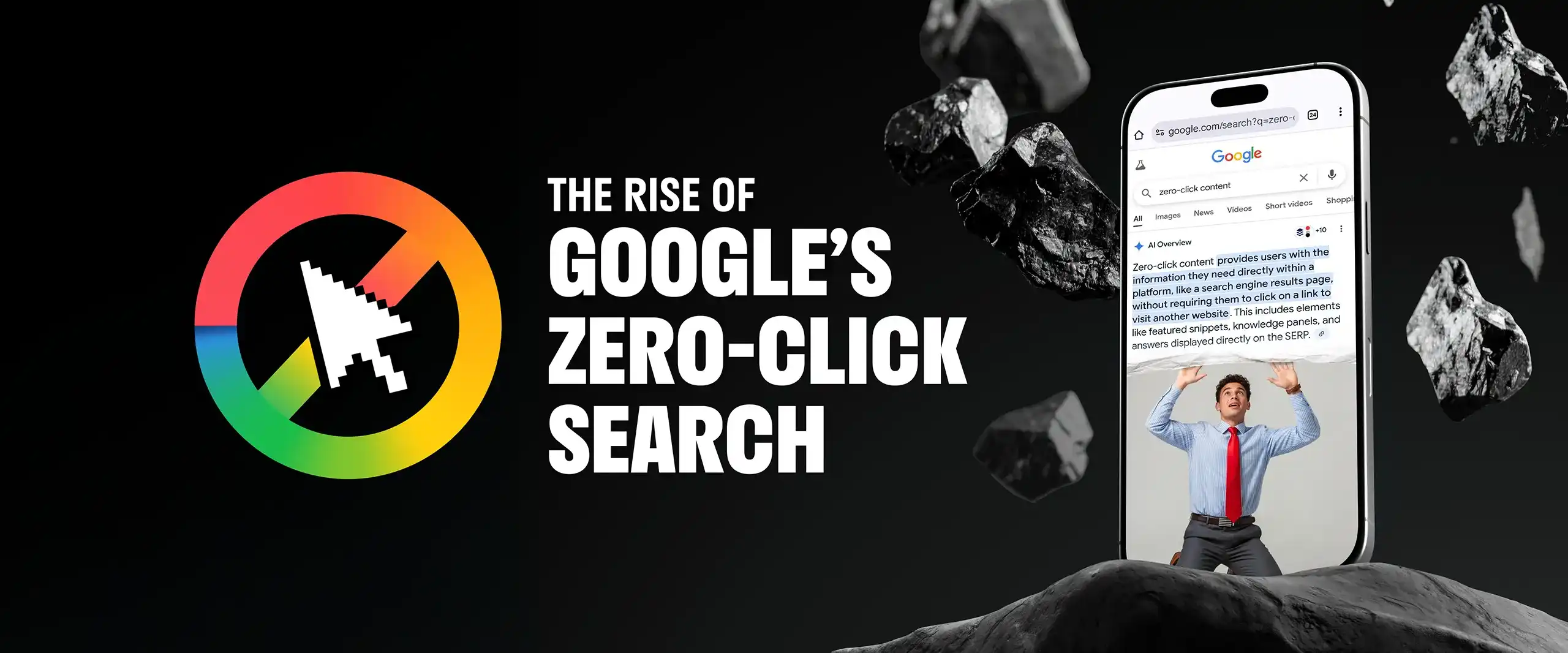
Zero-click searches increased from 56% in May 2024 to 69% in May 2025.
This is the future of SEO 2026 and a harsh reality: Google is answering questions on our behalf, completely disconnected from our sites.
The Pew Research Center examined 68,879 different Google searches conducted by 900 U.S. adults in March of that year. The findings are stark. When AI Overviews are displayed, users are almost 47% less likely to interact with traditional results. Even worse, 26 percent of them terminated the search session entirely (far higher than the 16% who did so without AI summaries).
What This Means:
The “Great Decoupling” is here. Website impressions keep climbing while real clicks crater, a phenomenon industry analysts describe as an “alligator mouth” effect. Publishers are hurting too: HubSpot saw traffic decrease by 70-80%, CNN experienced a drop of 27-38%, and the educational platform Chegg lost 49% of non-subscriber traffic year-on-year.
Fashion, travel, DIY, and cooking websites, in particular, have, in some cases, been decimated, and many are seeing 50-70% drops. As AI Overviews began showing up for “how to” and “what is” queries, Renaissance recipe bloggers and health sites reportedly lost as much as 65% of top-page traffic.
What This Means:
The “Great Decoupling” is here. Website impressions keep climbing while real clicks crater, a phenomenon industry analysts describe as an “alligator mouth” effect. Publishers are hurting too: HubSpot saw traffic decrease by 70-80%, CNN experienced a drop of 27-38%, and the educational platform Chegg lost 49% of non-subscriber traffic year-on-year.
Fashion, travel, DIY, and cooking websites, in particular, have, in some cases, been decimated, and many are seeing 50-70% drops. As AI Overviews began showing up for “how to” and “what is” queries, Renaissance recipe bloggers and health sites reportedly lost as much as 65% of top-page traffic.
2.ChatGPT and Alternative Search Engines Are Exploding
The Data:
Artificial intelligence-led traffic was 527% (January-May 2024 vs. 2025).
Even ChatGPT did roughly the same early on in 2024, earning over 22k/month by May 2025.
Some SaaS sites now receive over 1% of total sessions from large language models.
ChatGPT accounts for 87.4% of AI referral traffic from all verticals.
ChatGPT referral traffic to publishers doubled in 2025, and some sites experienced a 145x acceleration since June 2024.
Perplexity now has more than 15 million users, and referral traffic has increased by 71%.
The Future of SEO 2026: Think Beyond Google! One in-depth study across 19 GA4 properties discovered that total AI-sourced sessions increased from 17,076 to 107,100 over just five months—a whopping increase of 527%.
This is not marginal traffic. Legal, finance, health, SMB, and insurance account for 55% of all LLM-sourced sessions. Why? In Conway’s view, it’s because users ask the kind of contextual, trust-heavy questions they would typically ask a human expert: “What should I ask a lawyer before signing this contract?” or “Is this drug safe for me even with my illnesses?”
Industry Breakdown:
Here is what the future of SEO 2026 looks like in terms of adoption by vertical:
B2B Tech: AI Overview improved organic search presence from 36% to 70% of inquiries.
Insurance: Increased from 17% to 63% of searches
Entertainment: Rose to 37% from 2%
E-commerce: Actually decreased from 29% to 4% (transactional questions resist AI responses)
How to Adapt:
AEO(Answer Engine Optimization ) is a must now. Write where you directly answer the questions that your audience is asking and look for clear and authoritative answers. Write in natural language the way people tend to search for AI platforms.
Structure is really important: only 12% of URLs shared by ChatGPT, Perplexity, and Copilot appear in Google’s top 10 search results. Moreover, 80% of LLM backlinks are not even in the top 100 on Google. Translation: Optimizing AI requires strategies that are different from traditional SEO.
Gartner, Inc. predicts that search engine volume will drop by 25% by 2026 due to the rise of AI chatbots and other virtual agents.
3.Brand Authority and Digital PR Crush Traditional Link Building
The Data:
Wikipedia, YouTube, and Reddit account for 15% of all AI-sourced information
Reddit alone receives 21% of AI Overview citations
YouTube captures 18.8% of citations
Google’s own blog and government sites (.gov) appear 6% of the time
G2 is the most cited software review platform across ChatGPT, Perplexity, and AI Overviews
Websites with higher organic traffic get more AI mentions—but traditional SEO metrics like backlinks show weak correlation with ChatGPT inclusion
The future of SEO 2026 is not about backlinks; it is about building brand authority that AI systems can recognize and trust.
AI Overview engagements confirm a preference ranking: because they offer experience-based, authentic replies, user-driven content platforms (Reddit, YouTube) play a leading role. The next closest are established brands and authority sites (Wikipedia, government-related sites, and major publishers). Smaller sites find it difficult to break through unless they have tremendous expertise.
What’s Working:
Companies such as Gusto are winning the future of SEO 2026 by producing data-supported thought leadership. Their article on how promotions have plummeted to an all-time low was cited in Business Insider and Fast Company, exactly the third-party authority signals that AI systems give weight to.
Publishers generating the most referral traffic from AI platforms were Reuters (1.8 million visits), The Guardian (1.7 million), and Business Insider (1 million). What do they have in common? Strong brand position and extensive media coverage.
How to Adapt:
Invest heavily in digital PR campaigns that get you coverage in industry-leading publications pertinent to your vertical. Original research and proprietary data that naturally make their way into journalists’ stories are developed.
SEO Future 2026: Creative SEO The future of SEO in 2026 benefits brands that are discussed on a number of different platforms. Track brand sentiment on Reddit, review websites, industry forums, and social media—A.I. systems not only assess whether you are mentioned but also how the conversation around you unfolds.
Position yourself as an industry expert by answering questions in the community, writing thought leadership pieces on LinkedIn, and appearing in digests of industry defenses. What matters now are citations and mentions over traditional back-link metrics
Gartner predicts search engine volume will drop 25% by 2026 due to AI chatbots, shifting SEO toward brand authority and digital PR over traditional links.
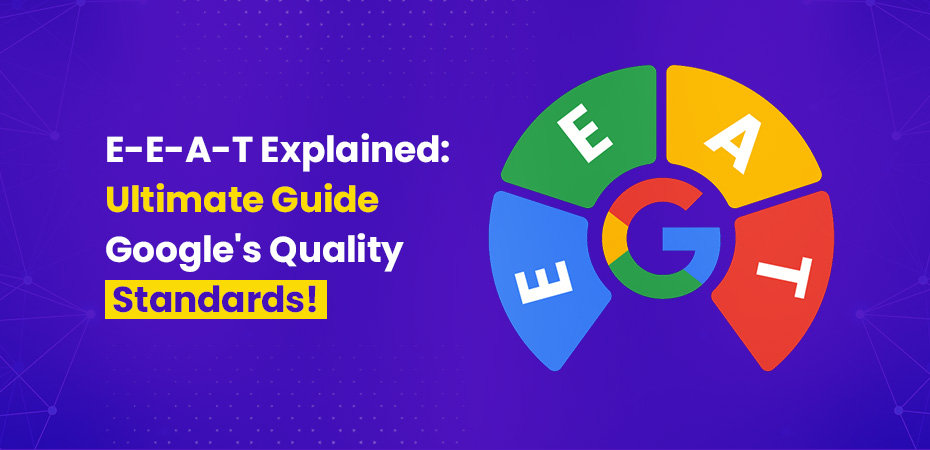
4.E-E-A-T and “Un-Cannibalizable Content” Are Your Only Moat
The Data:
Approximately 85% of marketers use AI to generate content.
57% AI-generated text that ranks in Google’s top 10 results (almost tied with 58% for human-written content)
EAT Content Wins Out. The content displaying experience, expertise, authoritativeness, and trustworthiness rules the day with AI citation.
Priority is given to authors with established authorship, including a history of relevant expertise.
Fresh content is vital: Revised material earns almost 2x the citations of out-of-date content.
The future of SEO in 2026 will be held by brands that build content that cannot easily be replicated by a computer.
As AI tools inundate the Internet with generic content, the question becomes: What makes your content quote-worthy? The solution is real expertise, direct experience, and unique insights that are possible only through human intelligence.
An examination of over 20,000 articles by Semrush discovered that AI-led content is almost on par with content written solely by humans when it is used in conjunction with human intuition and expertise. But there’s the qualifying word: “AI-assisted.” Most pure AI content lacks depth, nuance, or any real experience that users and AI systems desire.
The “Un-Cannibalizable Content” Strategy:
The future of SEO 2026 rewards what industry experts call “un-cannibalizable content”—material so uniquely rooted in real expertise that AI systems cannot reproduce it:
Original case studies with real client results
Proprietary research and data analysis
Expert commentary based on years of hands-on experience
Video interviews and multimedia storytelling
Detailed process documentation specific to your methodology
How to Adapt:
We must stop doing the “what is” and “how to” work that is easily replicated by artificial intelligence programs.
In contrast, the focus is now on:
Opinion columns drawn from genuine industry experience
Examples of data-oriented content generated by self-questionnaires
Complete subject clusters represent a great depth of knowledge in your entire field.
Multimedia (video, podcasts, interactive tools) that truly showcase human expertise
Establish comprehensive author pages that emphasize experience and credentials. Include your real background, social evidence, and proof that will stand in the industry. 2026 SEO is about proving that you are a real professional, not just another content mill.
On March 30, 2025, 40% of U.S. Google searches resulted in organic clicks, down from the previous year’s figure of more than 44%.
Sixty percent of searches now end without any click-throughs. (These include both searches with and those without an AI summary.)
Long-tail queries (10+ words) result in AI Overviews. 53% of the time vs. just 8% for 1-2 word input
When AI Overviews are expanded, the first organic search result (organic, no in-links) is already 1,674 pixels away from the top of the page.
AI Overview users are 26% more likely to end (in full) their search sessions.
The future of SEO: The following question begs to be asked: If users never click on your site, does SEO still matter?
The answer is yes, but in a completely new form.
Traditional metrics, such as click-through rate and organic traffic, do not tell the whole story. In 2026, everyone will use search engines for informational queries; if you are part of that results page but do not make it onto a voice overcast, then your product might as well not exist! AI summaries, featured snippets, comparison carousels, Reddit threads, YouTube videos, and answer engine results shape brand perception before users visit the website.
The New Success Metrics:
Smart marketers tracking the future of SEO 2026 focus on:
AI visibility metrics: How often your brand appears in AI-generated answers across platforms
Share of voice: Percentage of relevant queries where you’re cited or mentioned
Brand mention sentiment: How you’re discussed across Reddit, reviews, and community forums
Engagement quality: Time on page, scroll depth, and repeat visits for traffic you do receive
Pipeline influence: Tracking visibility gains to downstream metrics like demos, signups, and revenue
Multi-Platform Journey:
The future of SEO 2026 accepts that purchase decisions are nonlinear. Users crisscross TikTok, Reddit, Google, ChatGPT, YouTube, and text threads with friends. You want a consistent, credible presence everywhere they look—not a single “last click” victory.
How to Adapt:
Conventional traffic metrics are still tracked, but visibility metrics are introduced into the main dash. Tie visibility gains to downstream business KPIs so that SEO is judged by overall impact, not just site traffic.
Optimize for featured snippets, People Also Ask boxes, and AI quotations—even if they do not bring clicks. These SERP features present your brand as a power and shape people’s views long before they decide to buy.
Crossing over into different verticals (think high-end cookware?) to attract coverage could be an idea of the past. This does not mean that you will not need to provide essential coverage (as noted earlier). Economists predict that in the future of SEO 2026, long-form text—where a user must scroll through for answers or else gets bored with clicking attached links—will be a declining strategy.
Planning for the Future of SEO in 2026
Digital transformation is accelerating rather than slowing down. According to Gartner, the volume of traditional search engines will decrease by 25% by 2026. “We are shifting from search engines to AI chatbots and other platforms for discovery,” said a senior SEA expert.
However, the future of SEO will not be a change from search (gifted with longevity); it has to do with where people find things and how decisions are made.
In March 2025, only about 40% of U.S. Google searches resulted in clicks to organic results, down from over 44% the previous year, driven by AI Overviews and SERP features.
Focus on technical excellence: AI agents and systems favor websites with a strong technical foundation. Site speed, mobile optimization, clean code, and correctly implemented structured data are not optional; they are simply the table stakes for SEO 2026.
Invest in Genuine Expertise. Stop creating and purchasing generic AI-generated content. We will produce truly useful resources based on real-world experience and proven expertise. Construct full author credentials with cross-validated information.
Establish Cross-Platform Presence: Be YouTube-friendly, authentically active on Reddit, produce content for TikTok, and have a pervasive presence on whatever platforms your customers use to discover. Omnichannel will be the future of SEO 2026.
Brand Building Focus Invest in digital PR and reputation management, and become embedded as a cited authority in your space. future of SEO 2026 SEO in the future is directly tied to brand strength—classic link building is gone, but brand mentions are more powerful than ever.
Measure What Counts. Promote visibility metrics (AI citations, brand mentions, sentiment) and traffic. Tie visibility increases to business results, such as signups, demos, and revenue, so that SEO can be evaluated on its overall impact.
Un-cannibalizable” content is work produced only as a human can: authentic, with real insight and original research based on your own experience.
The Bottom Line on the Future of SEO 2026
The numbers don’t lie. AI summaries can be inferred in up to 50% of searches. The click-through rate has decreased by 47%. 0-Click Searches now account for 69% of all queries. AI-referred traffic has skyrocketed 527% year-over-year.
The future of SEO 2026 is so different from the past—yet, it is excellent for brands that will adapt.
While traditional search traffic is declining, total search usage is growing. AI platforms generate millions of new visits. Brands that establish themselves as the go-to authority on multiple platforms have more visibility and influence than ever.
It is not a question of whether you will need to adjust to the future of SEO 2026, but rather how fast you can shift gears. The next 12 months will winnow the winners from the irrelevant.
The data is clear. These trends are undeniable. The future is being set for SEO 2026.
What side of history does your brand want to be on?
FAQs
AI-first search, where 50% of queries show AI Overviews, clicks drop 47%, and success means being cited across ChatGPT, Google, Reddit, and YouTube—not just ranking
AI overviews reduce clicks by 47%, ChatGPT traffic surged 527%, and only expert content with E-E-A-T signals gets cited. Visibility now matters more than rankings.
When users get answers directly on search results without clicking websites—now 69% of searches. Optimize for AI citations and visibility, not just clicks.
Create fact-dense content (2,900+ words), update regularly, showcase real expertise, use clear structure, and build topical authority across your entire niche.
No, it's evolved. Traditional SEO fundamentals matter, but success requires multi-platform optimization: Google, ChatGPT, YouTube, Reddit, and emerging AI platforms.