SEO for Beginners: The Honest 2026 Guide
Introduction
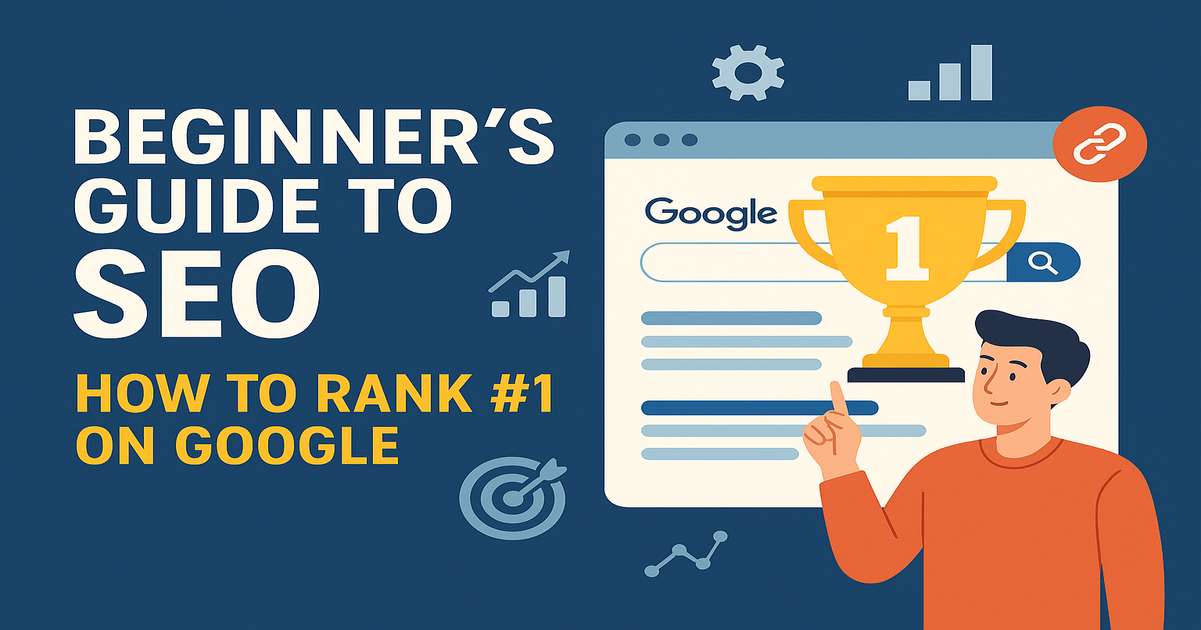
Here is the uncomfortable truth most beginner SEO guides skip: in 2026, roughly two-thirds of Google searches end without a single click. When an AI Overview appears at the top of results, only about 8% of searchers click through to a website, compared to roughly 15% on searches without one. That does not mean SEO stopped working. It means the goal has shifted from just ranking #1 to being the source Google and its AI features actually trust enough to cite.
This SEO for beginners guide covers what still works, what changed, and what is realistically achievable for a new website.
What Google Actually Rewards in 2026
Google folded its Helpful Content system directly into the core ranking algorithm rather than running it as a separate periodic update. In practice, that means E-E-A-T (Experience, Expertise, Authoritativeness, Trustworthiness) is now the most scrutinized quality signal for most content types, and sites that cover one subject area in real depth consistently outperform sites that publish shallow content across many unrelated topics.
For a new website, that translates into a simple rule: pick a niche you can credibly write about, and go deep before going broad.
The Technical Basics Still Matter
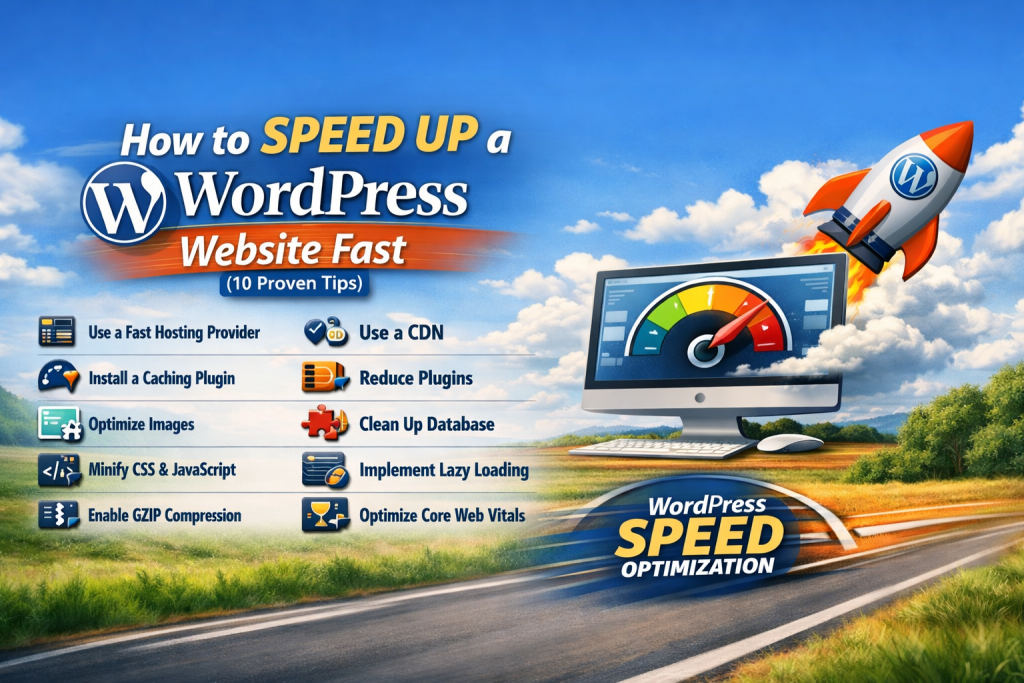
Content quality will not save a slow, broken site. As of the May 2026 Chrome UX Report, only 55.9% of tracked websites pass all three Core Web Vitals. Google also lowered the “Good” threshold for Largest Contentful Paint from 2.5 seconds to 2.0 seconds, and as of March 18, 2026, Interaction to Next Paint carries equal ranking weight alongside LCP and CLS. If your host is slow or your theme loads bloated scripts, fix that before writing another blog post.
On-Page SEO Fundamentals
The mechanics have not changed much: one clear focus keyword per page, a descriptive title tag with that keyword near the front, a meta description that gives someone a reason to click, a logical H1-to-H2 heading structure, and internal links connecting related pages so Google (and readers) can find your other relevant content.
Writing Content That Actually Qualifies as “Helpful”
Generic, AI-templated advice is precisely what the 2026 update targets. What holds up: specific numbers instead of vague claims, examples from real experience, and a clear point of view instead of hedging every sentence. This applies whether a human or an AI tool drafts the first pass — the deciding factor is whether the finished content adds something a reader could not get from five other pages that already rank.
Optimizing for Zero-Click and AI Overviews
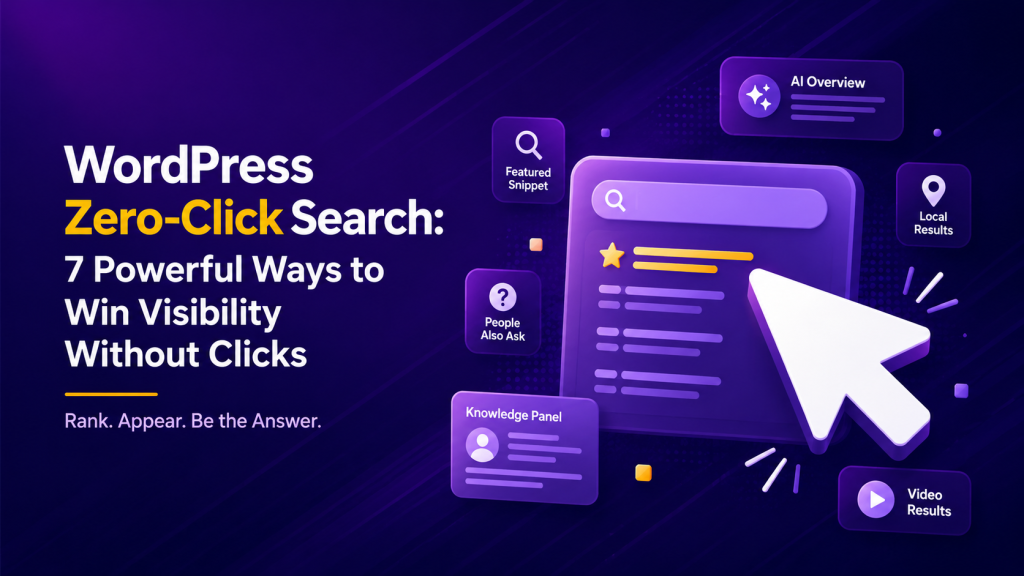
Since a large share of searches now resolve inside an AI Overview instead of a website visit, structuring content so it can be directly cited matters as much as ranking. That means answering the core question in the first few sentences of a section, using FAQ schema so specific Q&A pairs can be lifted cleanly, and using descriptive subheadings instead of clever ones. The searches still worth chasing hardest are transactional ones: informational queries run about 74% zero-click, while transactional queries are closer to 31%, meaning someone searching to buy or hire is still far more likely to click through.
How Dazzlebirds Approaches SEO for New Sites
We start with a technical audit — site speed, Core Web Vitals, indexing — before touching content, since no amount of writing fixes a site Google cannot crawl efficiently. From there, we prioritize a small number of deep, well-researched pages over a large volume of thin ones.
Conclusion
SEO in 2026 rewards patience and depth over shortcuts. Zero-click search is real and growing, but it has not eliminated the value of ranking well — it has raised the bar for what “ranking well” needs to look like.
FAQs
No. Roughly two-thirds of Google searches now end without a click, but ranking well is still how you get chosen for AI Overview citations and the higher-intent clicks that remain, especially on transactional searches.
There isn't one single factor anymore — Google's helpful content update folded E-E-A-T signals directly into the core ranking algorithm. Sites that combine genuine expertise, solid Core Web Vitals, and content written for readers (not just keywords) are the ones holding rankings in 2026.
Realistically, 4 to 6 months before you see meaningful movement, and closer to a year for competitive keywords. Google needs time to crawl, index, and build trust in a new domain — there's no shortcut, despite what many "rank fast" tools claim.
Not just should — they need to. Local and long-tail queries are still highly click-through even as broad informational searches shift to zero-click: roughly 31% of transactional searches end without a click versus 74% for informational ones, meaning ranking for buyer-intent terms is still worth real money for small businesses.


 WooCommerce Solutions
 Solutions for WordPress